What Makes Regenerated Yarn the Future of Sustainable Textile Production?
In recent years, the textile industry has undergone a remarkable transformation toward sustainability, efficiency, and innovation. Among these advancements, Regenerated Yarn has emerged as a leading solution that combines eco-friendliness with high performance. But what exactly is regenerated yarn, and why has it become the preferred choice for textile manufacturers worldwide? In this article, we explore its features, applications, benefits, and why more companies, including Cai Kingdom Group Co., Limited, are investing in this cutting-edge material.

What Is Regenerated Yarn and How Is It Made?
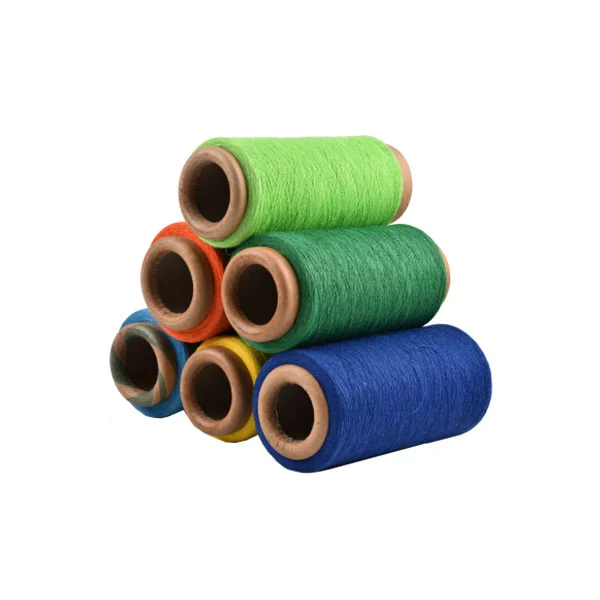
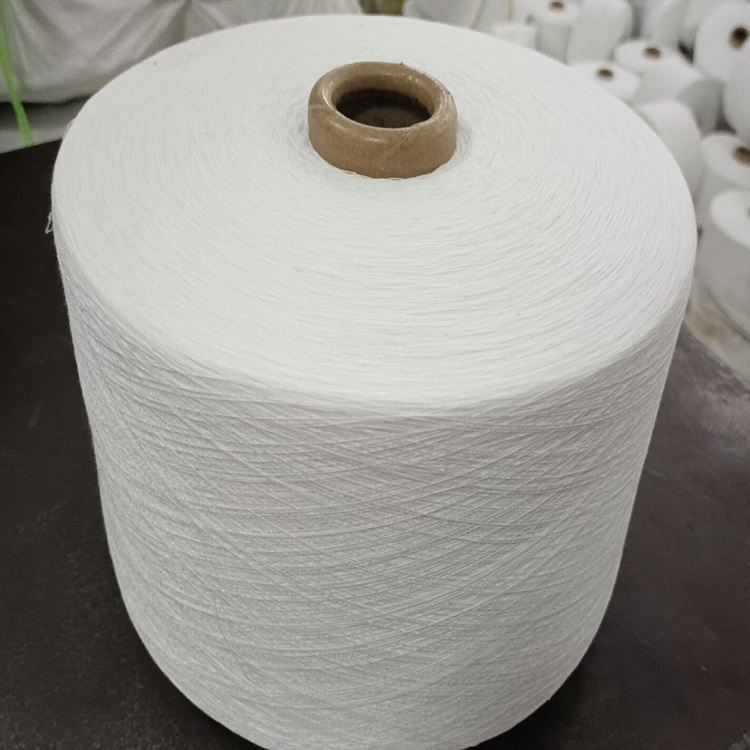
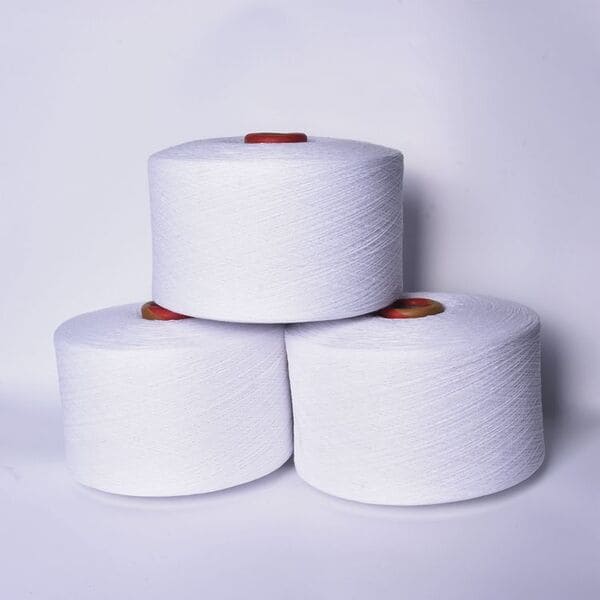
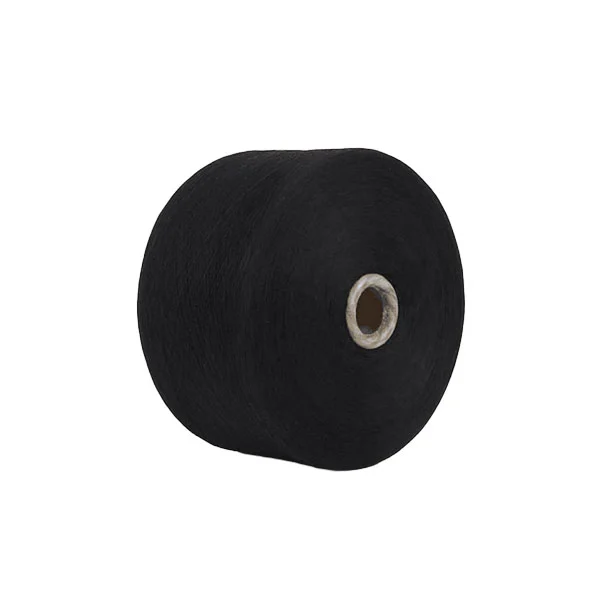
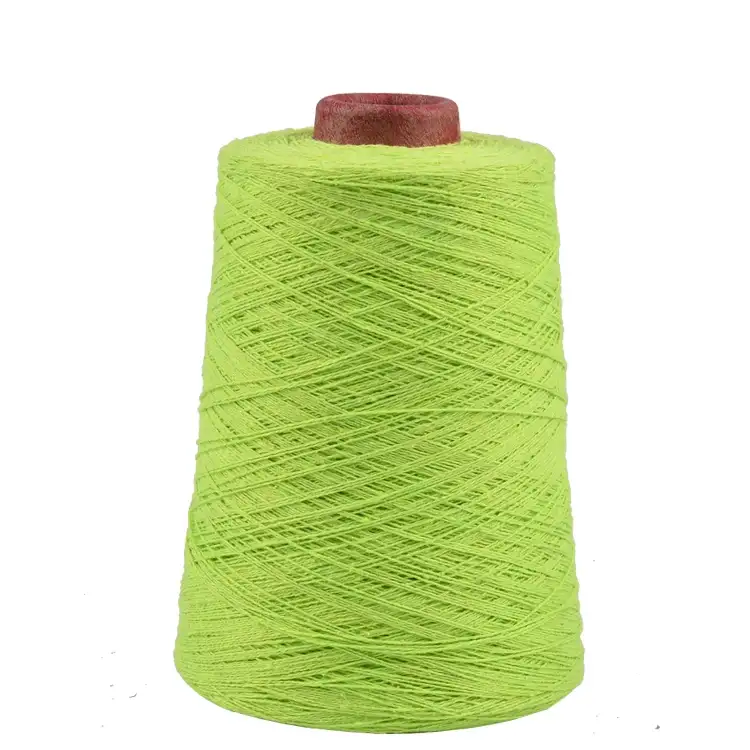
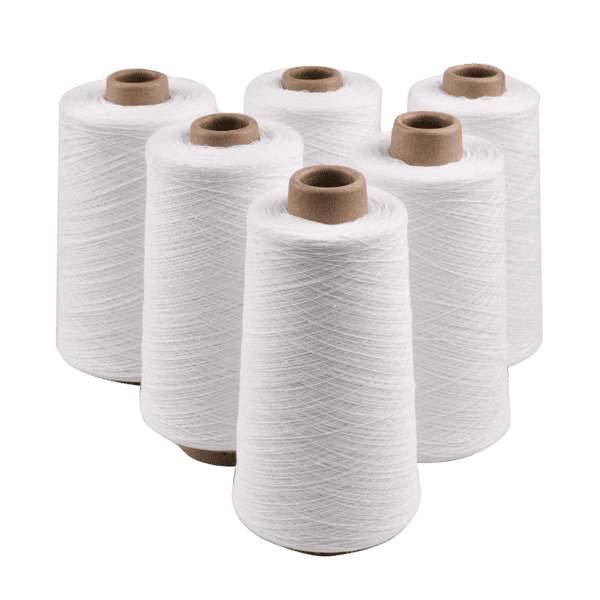
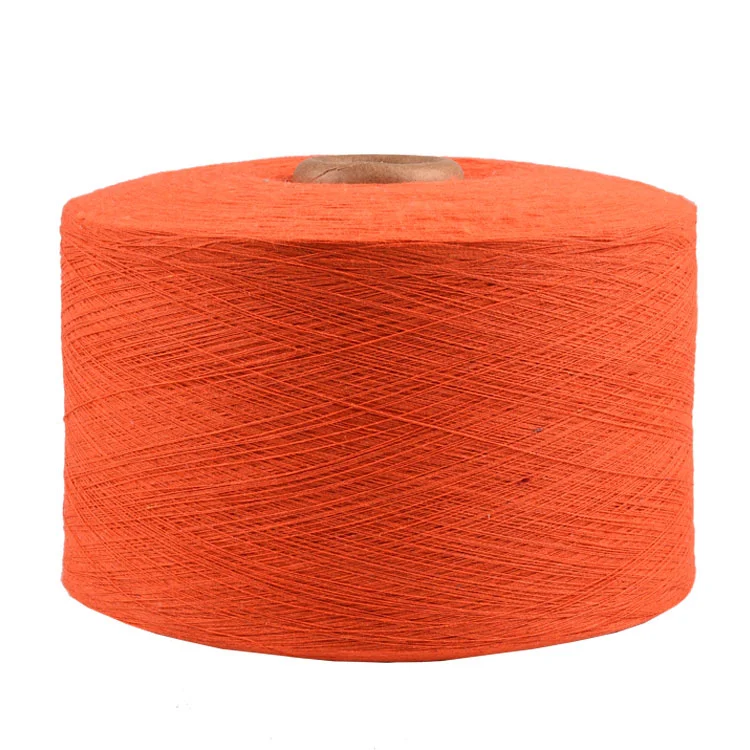
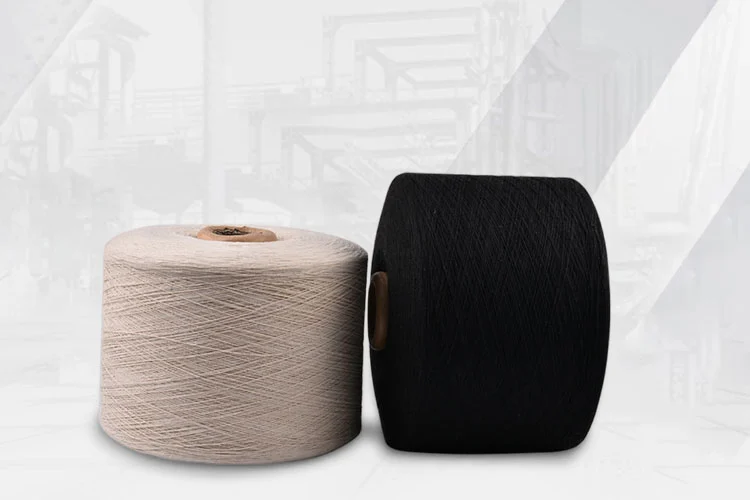
Regenerated yarn is produced by recycling textile waste, such as cotton scraps, polyester fibers, or blended materials, through an advanced regeneration process. This method involves collecting discarded fabrics, breaking them down into fibers, and spinning them into new yarns. The result is a durable, high-quality product that reduces the consumption of virgin raw materials and minimizes environmental impact.
Unlike traditional yarns made from freshly sourced fibers, regenerated yarns help close the loop of textile production. This makes them a key component of the circular economy, ensuring that waste materials are transformed into valuable new resources.
Why Should You Choose Regenerated Yarn?
Choosing regenerated yarn is not only an eco-conscious decision but also a practical one for manufacturers aiming to balance performance and sustainability. The benefits include:
-
Eco-friendly production: Significantly reduces textile waste and carbon footprint.
-
Cost-effective: Lowers production costs by reusing recycled fibers.
-
Versatile application: Suitable for weaving, knitting, upholstery, and garment production.
-
High performance: Offers comparable durability, color retention, and softness to virgin yarns.
Many global fashion and home textile brands now prefer regenerated yarn as a sustainable alternative without compromising on aesthetics or strength.
What Are the Main Types and Specifications of Regenerated Yarn?
Below is a summary of the main types and technical specifications offered by Cai Kingdom Group Co., Limited, a professional manufacturer specializing in regenerated textile solutions.
| Type | Fiber Composition | Count Range (Ne) | Color Options | Applications |
|---|---|---|---|---|
| Regenerated Cotton Yarn | 100% recycled cotton or cotton blends | 6s–30s | Raw, Melange, Dyed | Denim, Towels, T-shirts |
| Regenerated Polyester Yarn | 100% recycled PET or blended fibers | 10s–40s | Custom Colors | Sportswear, Home Textiles |
| Regenerated Blended Yarn | Cotton/Polyester or Cotton/Viscose blends | 8s–32s | Multi-color | Sweaters, Socks, Upholstery |
| Regenerated Acrylic Yarn | Recycled acrylic fiber | 10s–28s | Solid & Heather | Knitwear, Blankets |
| Regenerated Wool Yarn | Recycled wool or wool-blended fibers | 12s–24s | Natural & Dyed | Coats, Sweaters, Scarves |
Each type of regenerated yarn undergoes strict quality control procedures to ensure consistent texture, strength, and uniformity.
How Does Regenerated Yarn Improve Textile Sustainability?
Regenerated yarn plays a vital role in reducing environmental pressure caused by mass textile production. Every kilogram of regenerated cotton yarn, for example, can save up to 10,000 liters of water compared to virgin cotton production. Similarly, regenerated polyester yarn helps reduce dependence on petroleum-based raw materials and cuts down on plastic waste.
By choosing regenerated yarn, manufacturers contribute to:
-
Waste reduction: Transforming textile scraps into reusable materials.
-
Lower emissions: Decreasing CO₂ output during production.
-
Energy efficiency: Requiring less energy compared to processing new fibers.
-
Circular manufacturing: Encouraging responsible material use within supply chains.
This makes regenerated yarn a cornerstone of modern sustainable textile production.
What Are the Common Applications of Regenerated Yarn?
Regenerated yarn is widely used across various textile sectors thanks to its adaptability and cost efficiency. Common applications include:
-
Apparel manufacturing: Ideal for t-shirts, jeans, hoodies, sweaters, and socks.
-
Home textiles: Perfect for towels, bed linens, curtains, and upholstery fabrics.
-
Industrial textiles: Used in workwear, protective fabrics, and eco-friendly packaging.
-
Knitting and weaving industries: Provides excellent performance in both circular and flat knitting.
Its blend of quality and sustainability makes it suitable for brands committed to ethical fashion and responsible sourcing.
FAQ About Regenerated Yarn
Q1: What is the difference between regenerated yarn and recycled yarn?
A1: Regenerated yarn is created by processing waste fibers into new, high-quality yarns through mechanical or chemical regeneration. Recycled yarn, on the other hand, often refers to yarn made from post-consumer waste such as used garments or PET bottles. Both reduce waste, but regenerated yarn usually achieves higher fiber quality and consistency.
Q2: Is regenerated yarn as durable as virgin fiber yarn?
A2: Yes, regenerated yarn offers excellent durability, especially when produced under strict quality standards. At Cai Kingdom Group Co., Limited, advanced spinning technology ensures consistent fiber strength and smooth texture, making regenerated yarn comparable to virgin alternatives in most applications.
Q3: Can regenerated yarn be dyed easily?
A3: Absolutely. Regenerated yarn can be dyed in a wide range of colors, including mélange and solid shades. It maintains excellent colorfastness and visual appeal, ensuring a premium finish for both fashion and home textile products.
Q4: Why should manufacturers switch to regenerated yarn?
A4: Switching to regenerated yarn supports sustainable development goals, reduces waste management costs, and enhances brand reputation among eco-conscious consumers. Moreover, it aligns businesses with global sustainability trends and helps meet environmental compliance requirements.
How Does Cai Kingdom Group Co., Limited Ensure Quality in Regenerated Yarn Production?
Cai Kingdom Group Co., Limited follows a rigorous production and inspection process to guarantee the highest standards of quality. From raw material selection to final yarn testing, every stage is monitored carefully. The company utilizes modern spinning equipment and eco-certified dyes to ensure color accuracy, fiber stability, and texture consistency.
Key quality assurance steps include:
-
Fiber purity verification and cleaning
-
Automatic blending for uniform fiber composition
-
Real-time spinning monitoring
-
Lab testing for tensile strength and evenness
These procedures ensure that every batch of regenerated yarn meets both environmental and industrial requirements.
Conclusion: Why Regenerated Yarn Is the Smart Choice for a Sustainable Future
Regenerated yarn represents the perfect balance between environmental responsibility and product performance. By using it, manufacturers can reduce waste, save energy, and deliver premium-quality textiles without compromising efficiency or aesthetics.
As one of the leading suppliers in the global textile industry, Cai Kingdom Group Co., Limited is proud to provide a wide range of regenerated yarn solutions tailored to your needs. Whether for apparel, home, or industrial textiles, our regenerated yarn delivers the quality and sustainability that modern production demands.
For more details or to request a product sample, please contact Cai Kingdom Group Co., Limited today. Together, let's weave a greener future.
Related News
- Why Is Knitting Yarn NE 8 Cotton Polyester Blended a Smart Choice for Modern Textile Production
- What Are the Benefits of a Cotton-Polyester Blend?
- What Is Regenerated Yarn and Why Is It Becoming the Future of Sustainable Textile Manufacturing
- What Is the Best Yarn for Socks Knitting and Why Does It Matter
- How Does Working Glove Yarn Affect Glove Performance and Durability
- Why Is Cotton Hammock Yarn the Best Choice for Durable and Comfortable Hammocks
Leave me a message