How Does Working Glove Yarn Affect Glove Performance and Durability
Working gloves are only as good as the materials behind them. At the core of every reliable safety glove lies one crucial component: Working Glove Yarn. From abrasion resistance and cut protection to comfort and longevity, the yarn used in glove manufacturing directly determines how a glove performs in real-world working conditions.
In this in-depth guide, I will explore how Working Glove Yarn influences glove performance and durability, the most common yarn materials and blends, manufacturing considerations, and how selecting the right yarn can elevate both safety and cost efficiency.
Table of Contents
- 1. What Is Working Glove Yarn?
- 2. Why Working Glove Yarn Determines Glove Performance
- 3. Key Performance Factors Influenced by Working Glove Yarn
- 4. Common Materials Used in Working Glove Yarn
- 5. Yarn Blending and Structural Design
- 6. Working Glove Yarn and Durability in Harsh Environments
- 7. How Manufacturers Choose the Right Working Glove Yarn
- 8. Why CAI KINGDOM Focuses on Advanced Working Glove Yarn
- 9. Frequently Asked Questions (FAQ)
1. What Is Working Glove Yarn?
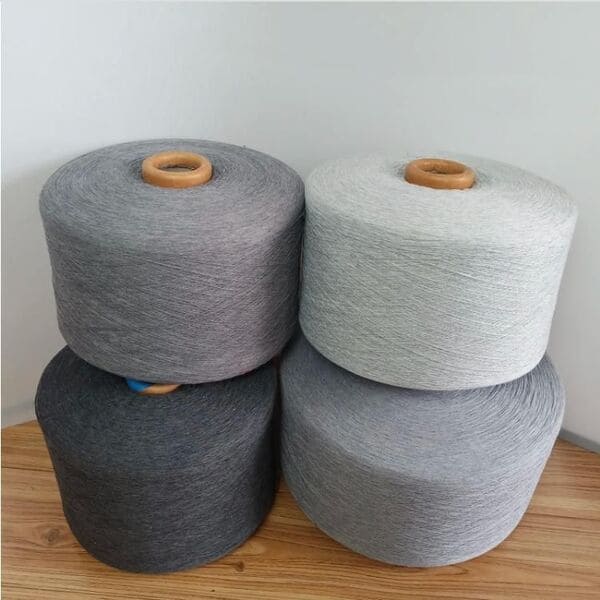
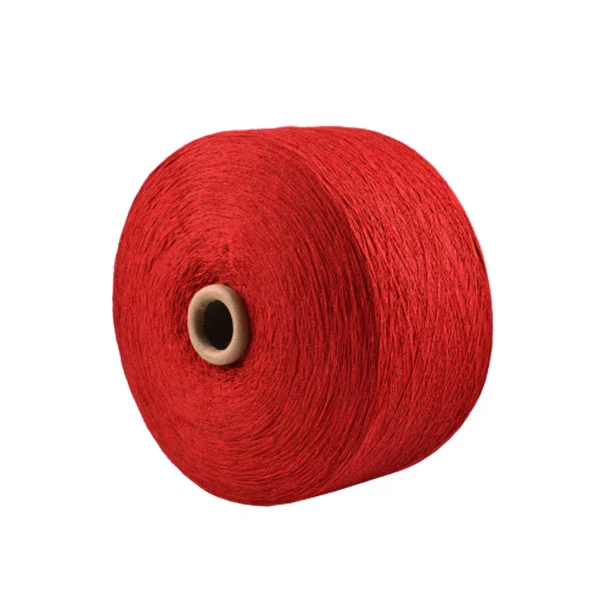
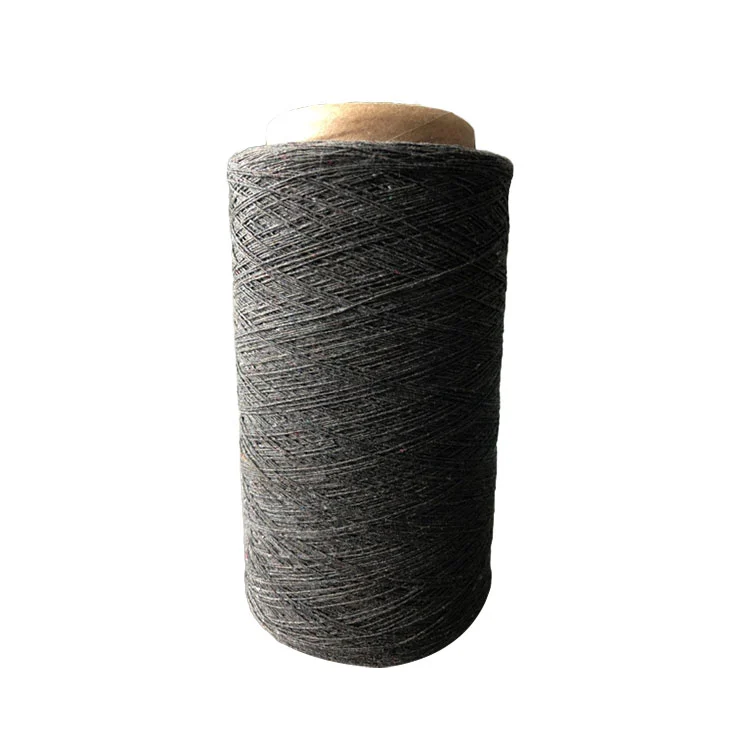
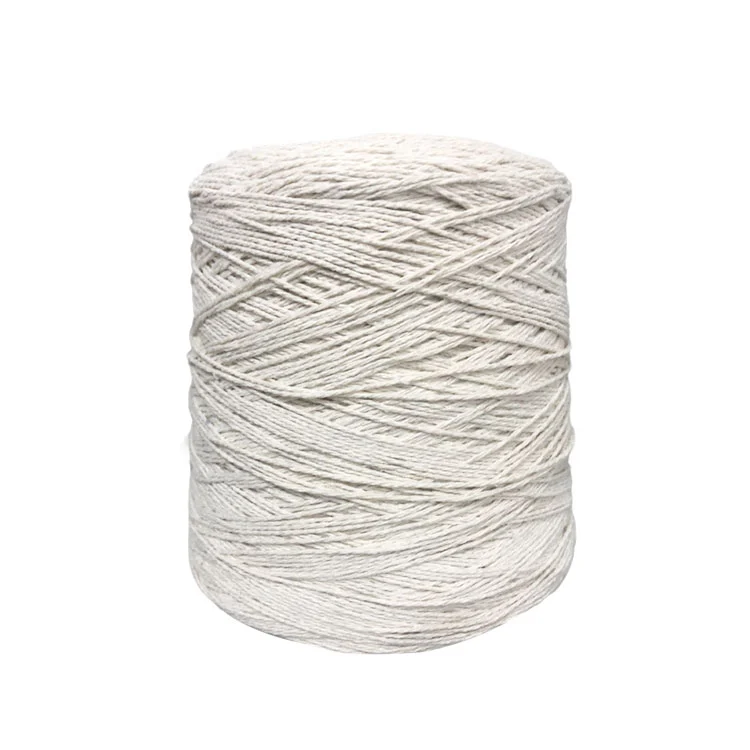
Working Glove Yarn refers to the specialized yarns engineered specifically for the production of industrial, safety, and protective gloves. Unlike general-purpose textile yarns, these yarns are designed to meet strict performance requirements such as cut resistance, abrasion resistance, tensile strength, and wearer comfort.
Working Glove Yarn is commonly used in knitting seamless gloves for industries including construction, manufacturing, logistics, oil and gas, automotive, and metal processing. The yarn structure, fiber composition, and spinning technology all play essential roles in how the final glove performs.
For a technical overview of available yarn specifications, you can explore this reference page: Working Glove Yarn technical details.
2. Why Working Glove Yarn Determines Glove Performance
The performance of a working glove is not defined solely by coatings or design patterns. In reality, the underlying Working Glove Yarn dictates how the glove reacts to stress, friction, repeated use, and environmental exposure.
- Yarn strength affects tear and puncture resistance
- Fiber composition influences cut protection levels
- Yarn fineness impacts dexterity and tactile sensitivity
- Surface characteristics affect coating adhesion
Inconsistent or low-grade Working Glove Yarn often leads to premature glove failure, higher replacement costs, and reduced worker confidence.
3. Key Performance Factors Influenced by Working Glove Yarn
| Performance Factor | How Working Glove Yarn Impacts It |
|---|---|
| Cut Resistance | High-performance fibers increase ANSI and EN cut ratings |
| Abrasion Resistance | Tightly spun yarns resist surface wear over time |
| Comfort | Balanced blends reduce hand fatigue and heat buildup |
| Dexterity | Finer yarn counts allow better finger movement |
| Durability | Consistent yarn quality prevents early breakage |
4. Common Materials Used in Working Glove Yarn
Modern Working Glove Yarn is rarely made from a single fiber. Instead, advanced blends are used to balance protection and comfort.
- HPPE (High-Performance Polyethylene) – Exceptional cut resistance and lightweight feel
- Polyester – Cost-effective with good abrasion resistance
- Nylon – Enhances elasticity and surface smoothness
- Glass Fiber – Boosts cut resistance when blended correctly
- Steel Fiber – Used for extreme cut protection applications
5. Yarn Blending and Structural Design
The way fibers are combined is just as important as the materials themselves. Advanced Working Glove Yarn often uses:
- Core-spun structures for strength
- Cover yarns for skin comfort
- Balanced twist levels to prevent stiffness
These structural decisions directly affect knitting efficiency and final glove consistency.
6. Working Glove Yarn and Durability in Harsh Environments
In oil fields, metal workshops, and construction sites, gloves face oil exposure, sharp edges, and repetitive stress. High-quality Working Glove Yarn maintains integrity under:
- High abrasion cycles
- Temperature fluctuations
- Chemical and oil contact
This durability translates into longer glove life and reduced replacement frequency.
7. How Manufacturers Choose the Right Working Glove Yarn
Manufacturers evaluate Working Glove Yarn based on application needs, certification targets, and cost-performance balance.
Key considerations include:
- Required safety standards (ANSI, EN388)
- Knitting machine compatibility
- Consistency across production batches
- Supplier technical support
8. Why CAI KINGDOM Focuses on Advanced Working Glove Yarn
At CAI KINGDOM, the focus is not just on supplying yarn, but on delivering engineered Working Glove Yarn solutions that support glove innovation. By prioritizing material stability, controlled blending, and application-driven development, CAI KINGDOM helps manufacturers produce gloves that meet modern safety expectations.
This commitment ensures better glove performance, longer service life, and improved end-user satisfaction.
9. Frequently Asked Questions (FAQ)
Q1: Is Working Glove Yarn different from regular textile yarn?
Yes. Working Glove Yarn is specifically engineered for protection, durability, and industrial performance rather than fashion or home textiles.
Q2: Can the right Working Glove Yarn reduce overall glove costs?
Absolutely. Higher-quality yarn improves glove lifespan, reducing replacement frequency and long-term costs.
Q3: Does yarn quality affect glove coating adhesion?
Yes. Yarn surface consistency plays a major role in how well coatings bond to the glove base.
Q4: How do I select the best Working Glove Yarn for my application?
It depends on cut level requirements, environment, comfort expectations, and compliance standards.
Choosing the right Working Glove Yarn is a strategic decision that directly impacts glove performance, durability, and market competitiveness. If you are looking to upgrade your glove materials or develop next-generation safety gloves, now is the time to act.
Partner with CAI KINGDOM to explore reliable, high-performance Working Glove Yarn solutions tailored to your needs. Contact us today to discuss your project, request technical support, or receive customized recommendations.
Related News
- Why Is Knitting Yarn NE 8 Cotton Polyester Blended a Smart Choice for Modern Textile Production
- What Are the Benefits of a Cotton-Polyester Blend?
- What Is Regenerated Yarn and Why Is It Becoming the Future of Sustainable Textile Manufacturing
- What Is the Best Yarn for Socks Knitting and Why Does It Matter
- Why Is Cotton Hammock Yarn the Best Choice for Durable and Comfortable Hammocks
- Why Is Regenerated Cotton Yarn for Hammock Becoming the Ideal Choice for Eco-Friendly Comfort?
Leave me a message