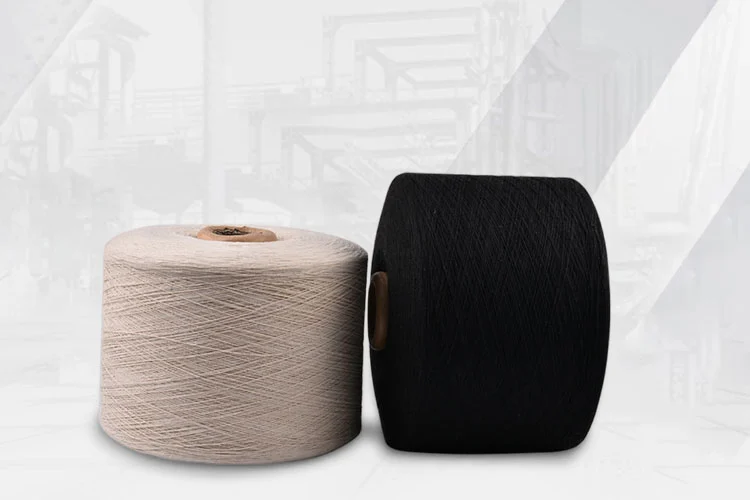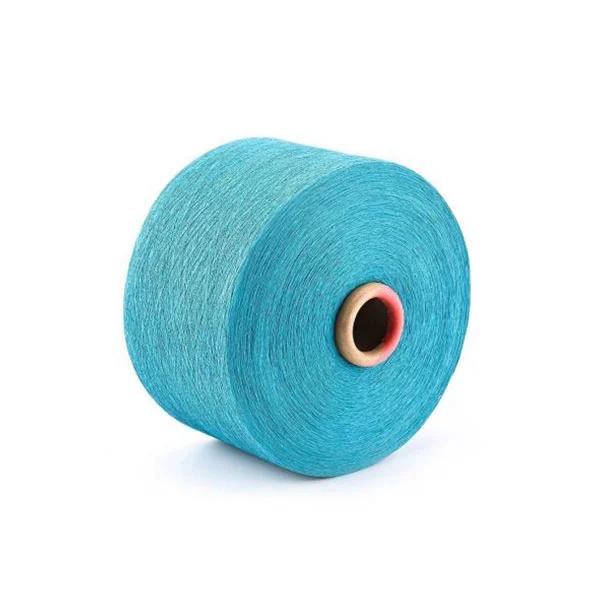

Why Is Knitting Yarn NE 8 Cotton Polyester Blended a Smart Choice for Modern Textile Production
Article Summary: Choosing the right yarn can directly affect knitting efficiency, fabric consistency, durability, and production cost. Cai Kingdom supplies Knitting yarn ne 8 cotton polyester blended for circular knitting, weaving, fleece fabrics, hammocks, socks, gloves, and other textile applications. With customizable composition, more than 40 regular color options, open-end spinning technology, and factory-direct production, this yarn offers manufacturers a practical balance of performance, flexibility, and cost control.
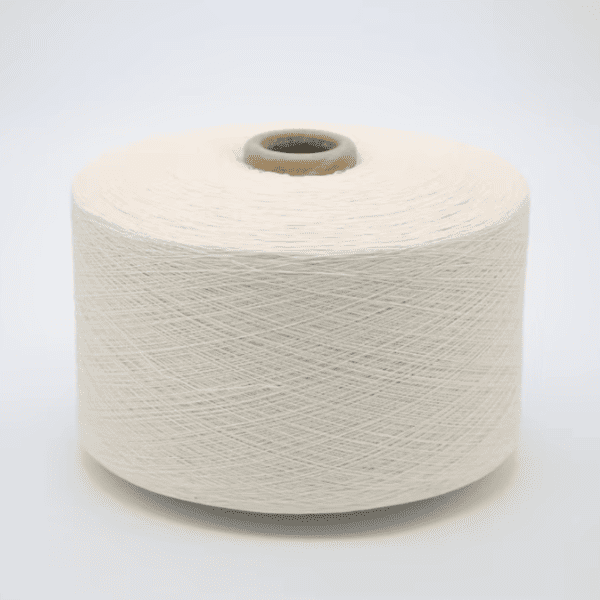
Table of Contents
What Is NE 8 Cotton Polyester Blended Yarn?
Why Choose a Cotton Polyester Blend for Knitting?
What Are the Key Specifications?
Where Can NE 8 Blended Yarn Be Used?
How Does Yarn Production Affect Quality?
How Should Buyers Choose the Right Yarn?
What Is NE 8 Cotton Polyester Blended Yarn?
Knitting yarn ne 8 cotton polyester blended is a coarse-count blended yarn made by combining cotton and polyester fibers in a customized ratio. The NE 8 count makes it suitable for applications where manufacturers need a relatively substantial yarn structure, dependable knitting performance, and practical production economics.
The cotton component contributes a soft and natural textile hand, while polyester can improve strength, dimensional stability, abrasion resistance, and service durability. By adjusting the blend ratio, manufacturers can create yarn characteristics that better match the requirements of different fabrics and end products.
For industrial buyers, the main advantage is flexibility. Instead of being restricted to one fixed composition, the yarn can be customized according to the intended application, equipment, fabric construction, color requirement, and target performance.
- NE 8 yarn count for coarse-yarn applications
- Cotton and polyester blended construction
- Customizable blend composition
- Open-end spinning technology
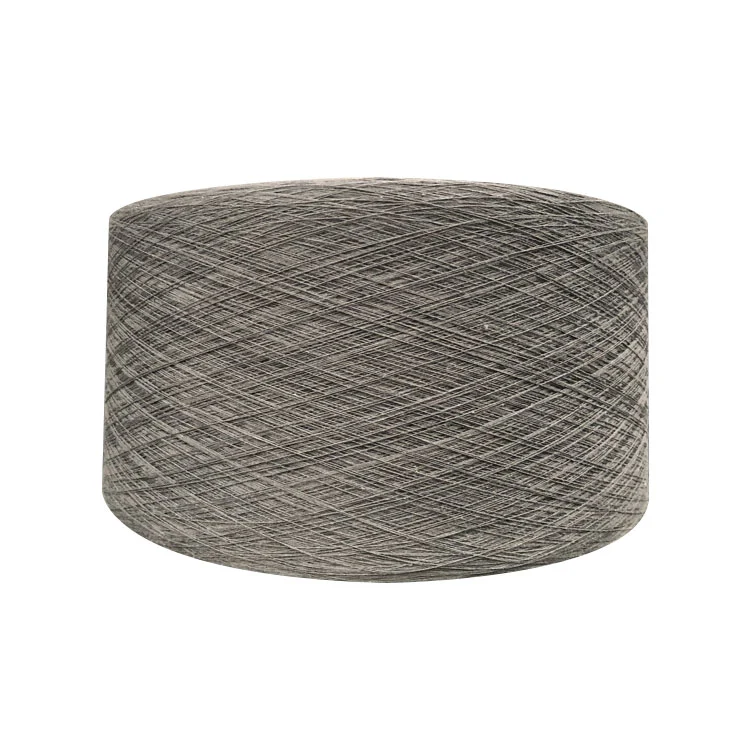
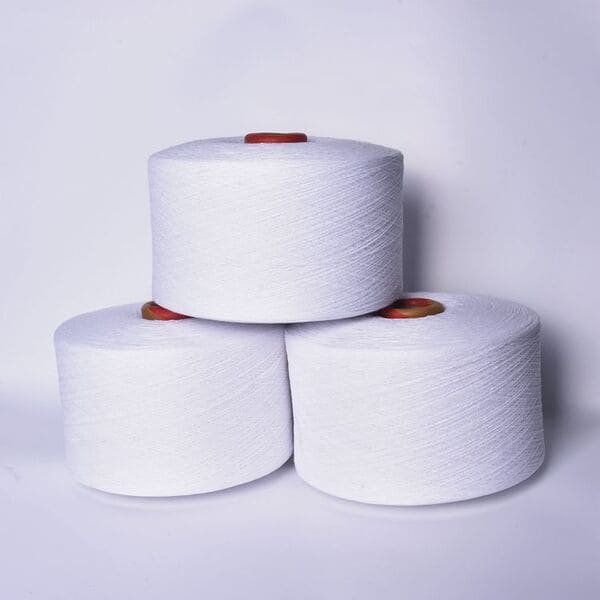
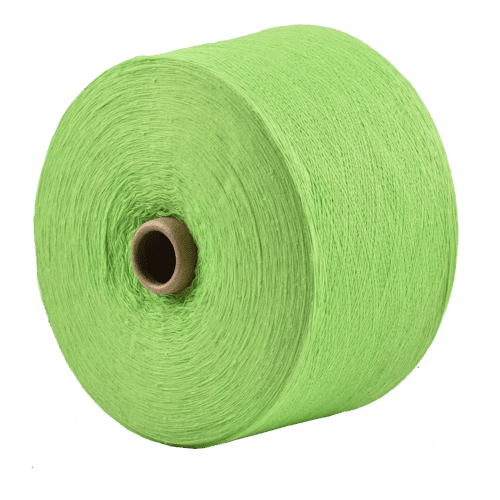
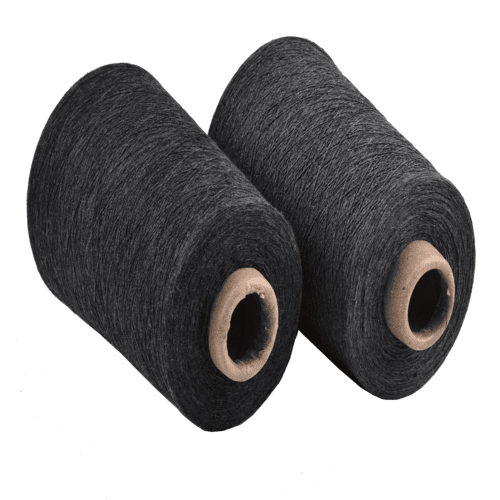
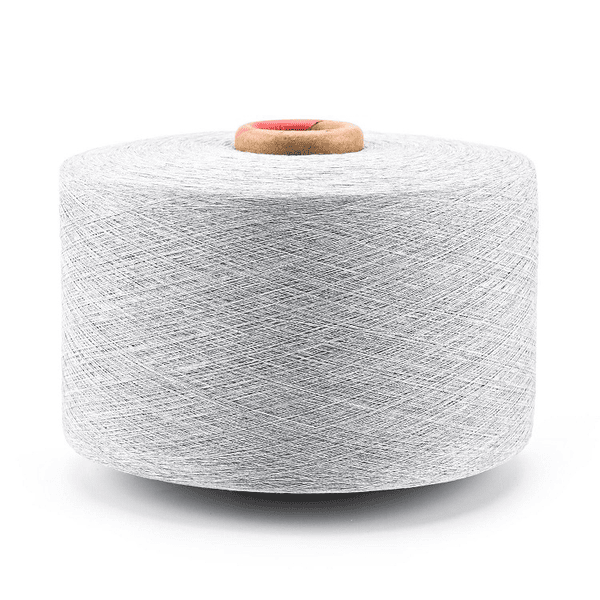
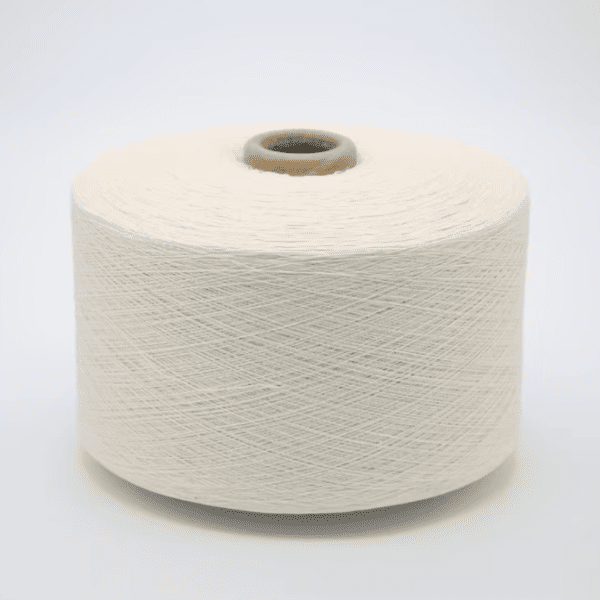
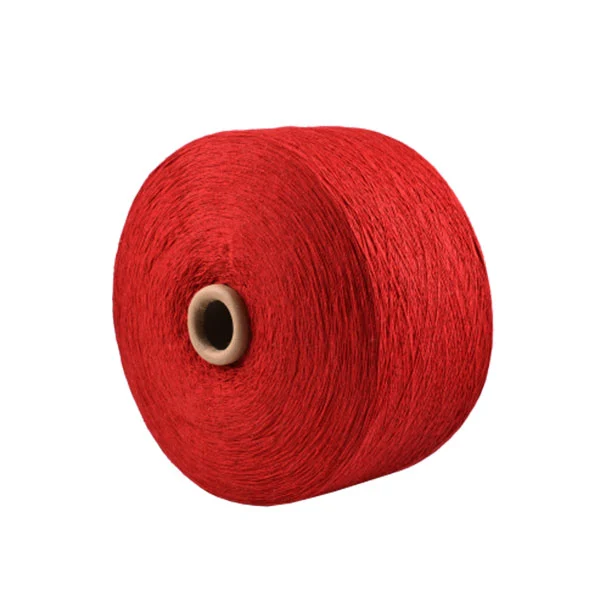
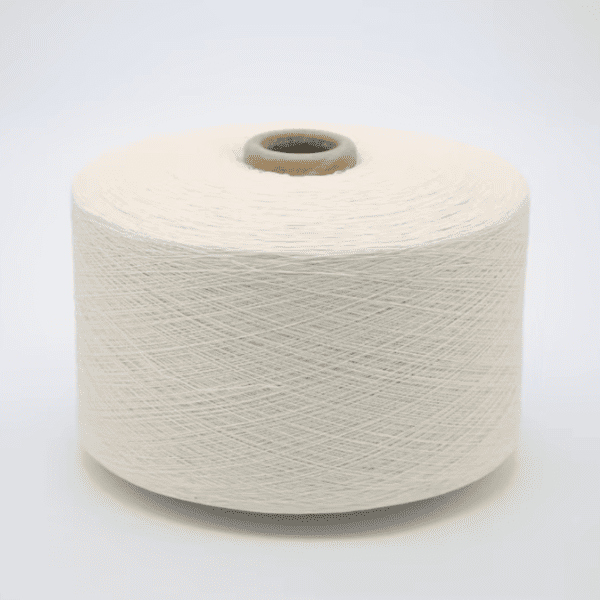
- Optical white and more than 40 regular color options
- Customized colors available based on customer samples
- Cylindrical or conical cone options
Why Choose a Cotton Polyester Blend for Knitting?
Pure cotton and pure polyester each have their strengths, but a blended yarn can provide a more balanced performance profile. This is especially useful for manufacturers who need comfort and textile appearance without sacrificing the practical benefits required for continuous production.
Balanced Comfort and Durability
Cotton provides a familiar natural feel and good moisture absorption, while polyester contributes mechanical strength and resistance to repeated use. The resulting yarn can be suitable for products that require both a comfortable surface and reliable service life.
Better Production Flexibility
A customized cotton-polyester ratio allows buyers to adapt the yarn to specific manufacturing goals. For example, a buyer focused on softness may prefer a higher cotton proportion, while a product requiring additional durability may benefit from a higher polyester content.
Practical Cost Management
For high-volume textile production, raw material selection has a significant influence on overall manufacturing costs. A cotton-polyester blend can help manufacturers balance material performance with purchasing requirements, particularly for large-volume applications such as knitting, weaving, socks, gloves, and hammock production.
| Feature | Cotton Contribution | Polyester Contribution | Benefit of Blending |
|---|---|---|---|
| Hand feel | Soft and natural | Smooth and stable | Balanced textile feel |
| Strength | Good natural fiber performance | High durability | Improved overall service performance |
| Dimensional stability | Moderate | Good | Better structure retention |
| Cost flexibility | Depends on cotton content | Can support cost control | More options for customized formulations |
What Are the Key Specifications?
Technical specifications are particularly important when purchasing yarn for industrial knitting or weaving. The yarn must be compatible with the customer's machines, fabric construction, production speed, and downstream processing requirements.
| Parameter | Specification |
|---|---|
| Product Name | Knitting Yarn NE 8 Cotton Polyester Blended |
| Material | Cotton / Polyester Mixed |
| Composition | Customizable blend ratio |
| Yarn Count | NE 8 |
| Spinning Technology | Open-End |
| Color | Optical white, regular colors, customized colors |
| Regular Color Selection | More than 40 colors |
| MOQ | 500 kg per color |
| Lead Time | Approximately 5–15 days after order confirmation |
| Sample | Free baby-cone sample below 2 kg |
| Packing | PP bags, cartons, or pallets |
| Cone Type | Cylindrical or conical cone |
| Departure Ports | Ningbo / Qingdao |
For bulk buyers, the combination of customized composition, flexible colors, different cone formats, and scalable production can simplify procurement. Before placing a large order, however, buyers should confirm yarn count tolerance, blend ratio, color requirements, cone weight, packaging specifications, and compatibility with their existing equipment.
Where Can NE 8 Blended Yarn Be Used?
One reason this yarn is attractive to textile manufacturers is its broad application range. Its structure makes it appropriate for various knitting and weaving processes where a coarse, durable, and economical yarn is required.
Circular Knitting
Circular knitting is one of the key application areas. The yarn can be used for fleece-related fabric production and other knitted textile structures. Consistent yarn quality is important because uneven yarn can affect fabric appearance, machine stability, and downstream processing.
Hammock Weaving
NE 8 blended yarn can also be used for hammock weaving. In this application, durability and resistance to repeated mechanical stress are important considerations. A cotton-polyester blend provides manufacturers with an option for balancing textile feel and structural performance.
Socks and Gloves
Depending on the final product design and knitting equipment, blended yarn can be used in sock and glove manufacturing. The appropriate fiber ratio can be selected according to the desired combination of softness, durability, appearance, and production cost.
Other Textile Applications
- Hand knitting
- Hand weaving
- Warp and weft weaving
- Industrial textile products
- Twine-related applications
- Other customized knitting and weaving projects
How Does Yarn Production Affect Quality?
Yarn specifications alone do not tell the complete quality story. Manufacturing capacity, equipment, raw material control, inspection procedures, and production experience can all influence the consistency of the finished yarn.
Cai Kingdom operates 50 production lines with a stated monthly capacity of approximately 3,000 tons. Its production system is designed for high-volume yarn manufacturing, while quality-control personnel inspect products during production, packing, and loading.
Open-end spinning is also important for applications requiring economical production of coarse yarn counts. Proper process control helps maintain yarn consistency and supports stable performance during subsequent knitting or weaving operations.
For international buyers, production capability also matters because stable supply can reduce the risk of delays when orders involve multiple colors, large quantities, or repeat purchasing schedules.
How Should Buyers Choose the Right Yarn?
When sourcing Knitting yarn ne 8 cotton polyester blended, buyers should evaluate more than the unit price. A suitable yarn should match the technical and commercial requirements of the complete production process.
- Confirm the yarn count: Make sure NE 8 matches the knitting or weaving specifications of your equipment.
- Define the blend ratio: Determine the required cotton-to-polyester ratio based on softness, durability, and cost targets.
- Check color requirements: Standard colors may support faster delivery, while custom colors require sample matching and approval.
- Evaluate cone configuration: Select cylindrical or conical cones according to machine compatibility.
- Request samples: Test yarn performance on your actual equipment before committing to a large order.
- Confirm MOQ and lead time: This is particularly important for multi-color production schedules.
- Review packaging: Ensure the packing method protects cones during transportation and storage.
- Discuss after-sales support: A responsive supplier should have a clear process for handling quality concerns.
For buyers comparing a sock knitting yarn with a general-purpose knitting yarn, the intended end product should guide the final choice. The same yarn specification may not provide the ideal performance for every fabric structure or machine configuration.
Frequently Asked Questions
What does NE 8 mean in yarn?
NE 8 refers to the yarn count under the English cotton count system. Compared with finer yarn counts, NE 8 represents a relatively coarse yarn that is commonly considered for applications requiring a substantial yarn structure.
Can the cotton-polyester ratio be customized?
Yes. The product specification allows the cotton-polyester composition to be customized according to the buyer's requirements. The desired blend ratio should be confirmed before production.
How many colors are available?
The standard offering includes optical white and more than 40 regular colors. Customized colors can also be developed based on a customer-provided color sample.
What is the minimum order quantity?
The listed MOQ is 500 kg per color. Buyers with multiple colors should calculate the total quantity and color distribution before confirming the purchase.
What spinning technology is used?
The yarn is produced using open-end spinning technology, which is commonly used for practical and economical production of coarse yarn counts.
What packaging options are available?
The available packaging options include PP bags, cartons, and pallets. Cylindrical and conical cone formats are also available depending on the application and buyer requirements.
How long is the production lead time?
The listed lead time is approximately 5–15 days after order confirmation. Actual delivery timing can depend on order quantity, color, composition, production scheduling, and stock availability.
Can buyers request samples before bulk purchasing?
Yes. Free baby-cone samples below 2 kg are available according to the product information. Sampling is recommended when buyers need to verify color, yarn performance, machine compatibility, and fabric appearance.
Conclusion
Knitting yarn ne 8 cotton polyester blended provides textile manufacturers with a flexible solution for knitting and weaving applications that require a balance of cotton comfort, polyester durability, customizable composition, and practical production economics. With NE 8 count, open-end spinning, more than 40 regular color choices, customized color matching, flexible packaging, and scalable factory production, it can support a wide range of industrial textile requirements.
Whether you are sourcing yarn for circular knitting, fleece fabrics, hammocks, socks, gloves, or other textile applications, selecting the right composition and specifications is essential for consistent production. If you are looking for customized yarn specifications, bulk supply, color matching, or factory-direct pricing, contact us today to discuss your requirements and request a suitable yarn solution from Cai Kingdom.
Previous :
-
Related News
- What Are the Benefits of a Cotton-Polyester Blend?
- What Is Regenerated Yarn and Why Is It Becoming the Future of Sustainable Textile Manufacturing
- What Is the Best Yarn for Socks Knitting and Why Does It Matter
- How Does Working Glove Yarn Affect Glove Performance and Durability
- Why Is Cotton Hammock Yarn the Best Choice for Durable and Comfortable Hammocks
- Why Is Regenerated Cotton Yarn for Hammock Becoming the Ideal Choice for Eco-Friendly Comfort?
Leave me a message