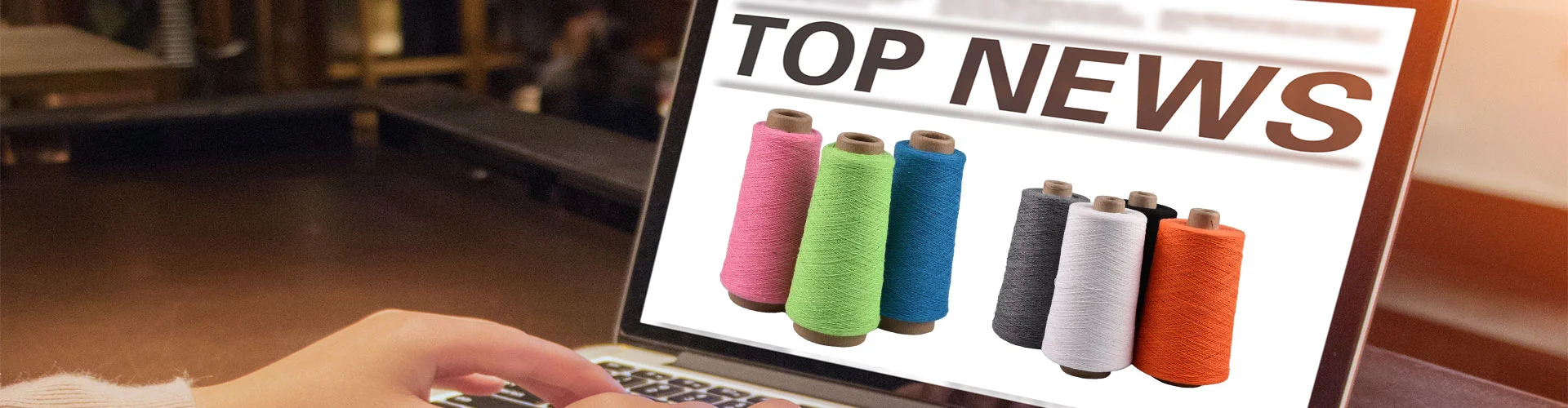
What Is Regenerated Yarn and Why Is It Becoming the Future of Sustainable Textile Manufacturing
Regenerated yarn is rapidly emerging as one of the most important innovations in the global textile industry. As sustainability, recycling technologies, and eco-friendly manufacturing gain priority, regenerated yarn offers a practical solution for reducing textile waste while maintaining strong performance in products such as carpets, industrial fabrics, and home textiles. This article explores what regenerated yarn is, how it is produced, its advantages, common applications, and why it is becoming essential for modern sustainable manufacturing. It also explains how companies such as CAI KINGDOM are helping manufacturers adopt regenerated yarn solutions for large-scale production.
Table of Contents
- 1. What Is Regenerated Yarn?
- 2. Why Is Regenerated Yarn Important for Sustainable Textiles?
- 3. How Is Regenerated Yarn Manufactured?
- 4. Key Features and Advantages of Regenerated Yarn
- 5. Technical Specifications of Regenerated Yarn
- 6. What Industries Use Regenerated Yarn?
- 7. Why Is Regenerated Yarn Ideal for Carpet Production?
- 8. Regenerated Yarn vs Traditional Yarn
- 9. How to Choose High-Quality Regenerated Yarn
- 10. The Future of Regenerated Yarn in the Global Textile Market
- 11. Frequently Asked Questions
1. What Is Regenerated Yarn?
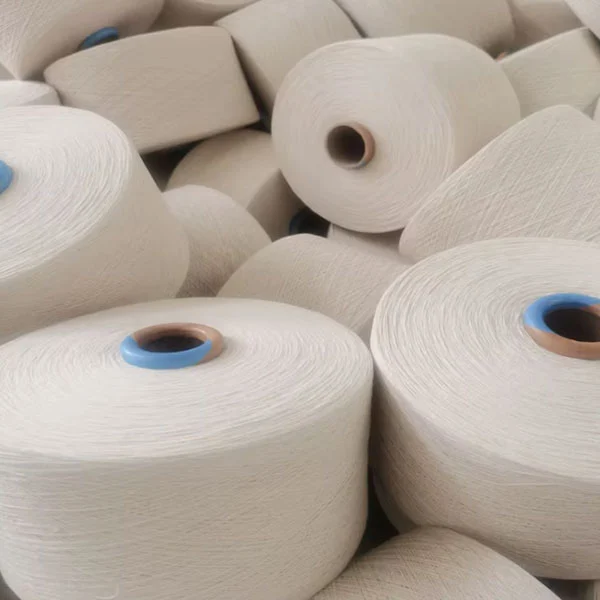
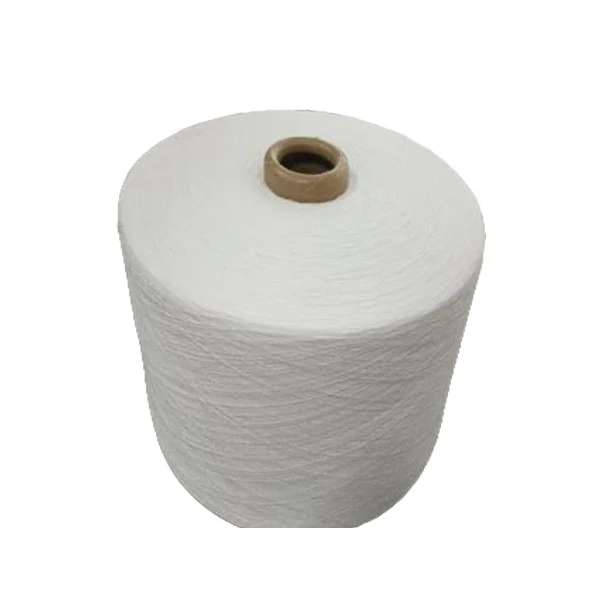
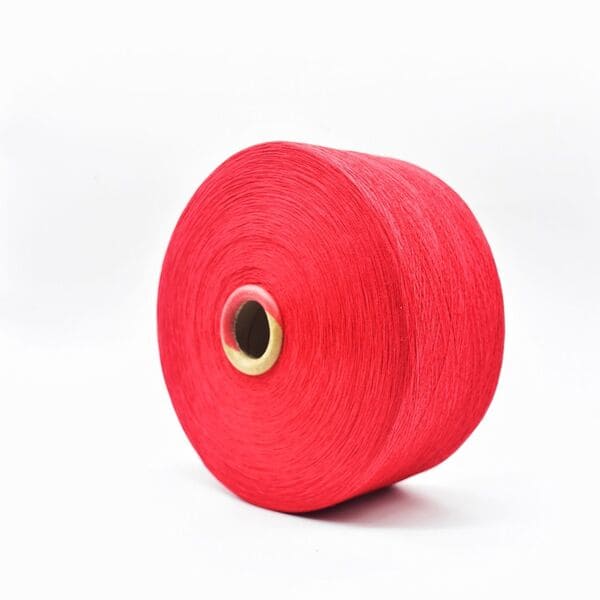
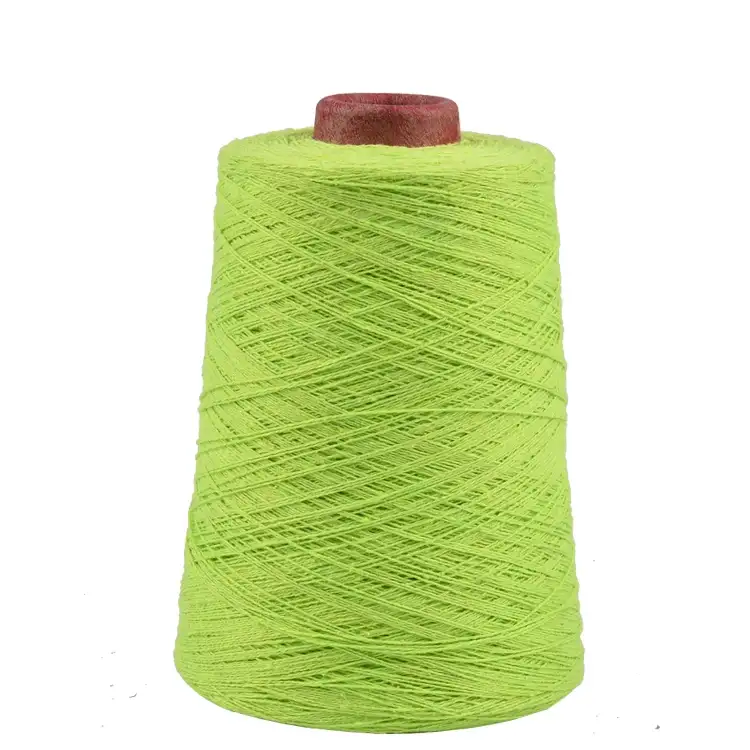
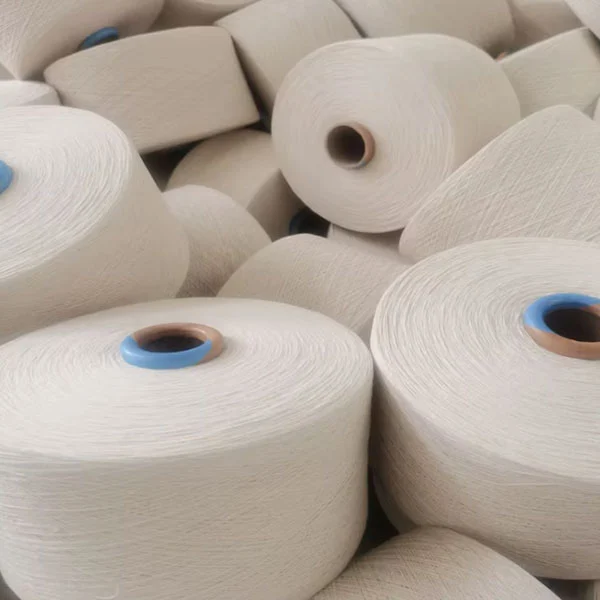
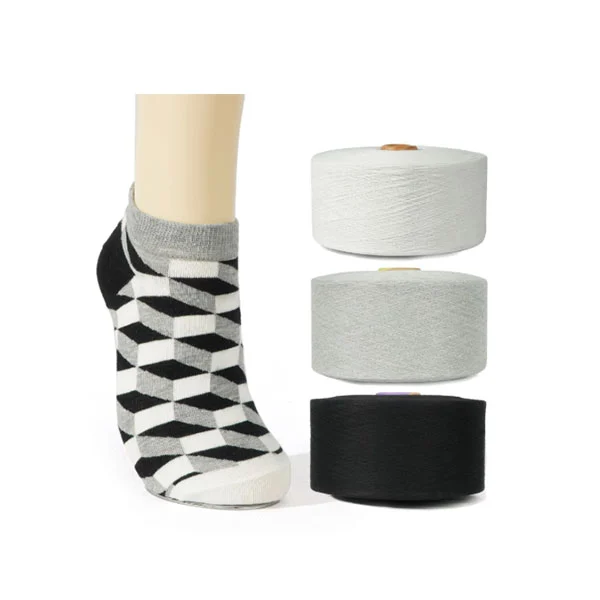
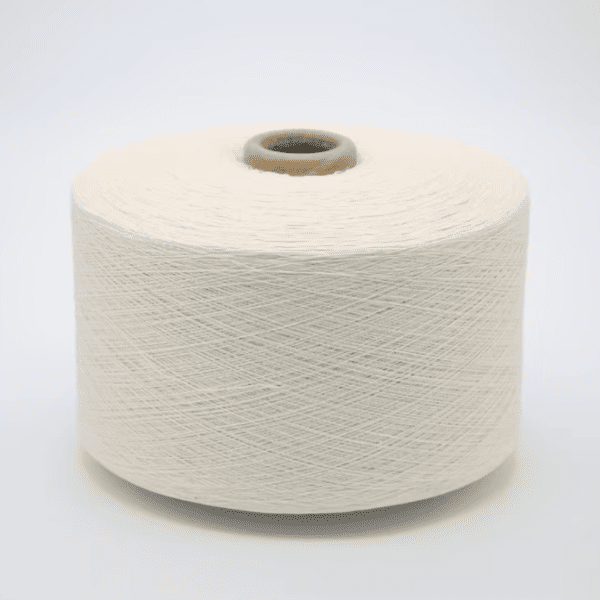
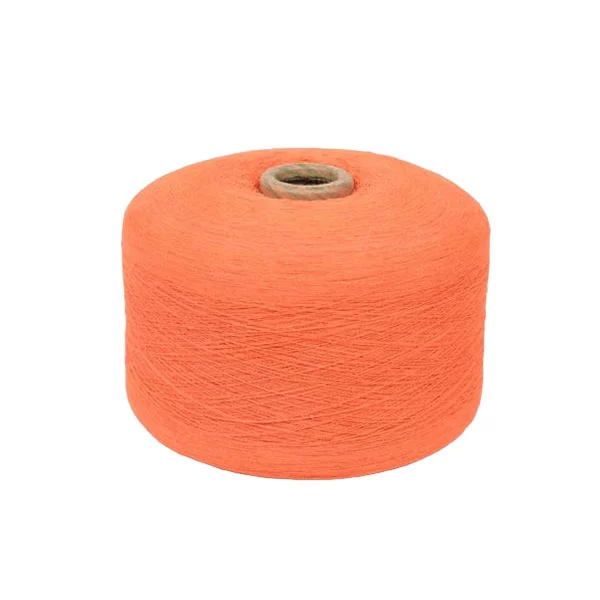
Regenerated yarn is a type of textile yarn produced by recycling textile waste, cotton scraps, fabric remnants, or other reclaimed fibers. Instead of relying entirely on new raw materials, regenerated yarn reprocesses existing fibers and converts them into usable yarn for new textile products.
The recycling process helps reduce environmental impact by lowering the demand for virgin cotton, decreasing textile waste, and conserving water and energy during production.
Many regenerated yarn products are used in large-scale industrial manufacturing, especially for carpets, mop yarns, industrial fabrics, and filling materials.
For example, manufacturers may produce specialized yarn types such as NE 6/3 regenerated yarn for carpet, which is designed to provide durability, bulk, and consistent performance in heavy-use textile products.
2. Why Is Regenerated Yarn Important for Sustainable Textiles?
The global textile industry generates millions of tons of waste every year. Traditional textile production also consumes large amounts of water, chemicals, and energy. Regenerated yarn offers a sustainable alternative.
Major sustainability benefits include:
- Reduction of textile waste in landfills
- Lower consumption of virgin cotton
- Reduced carbon footprint
- Lower water usage in fiber production
- Improved circular economy in the textile sector
Because of these benefits, regenerated yarn is becoming increasingly popular among environmentally conscious manufacturers and global brands.
3. How Is Regenerated Yarn Manufactured?
The production of regenerated yarn involves several key steps designed to transform textile waste into high-quality yarn suitable for manufacturing.
Step-by-Step Production Process
- Collection of textile waste and fabric scraps
- Sorting by fiber type and color
- Cleaning and removing impurities
- Fiber opening and shredding
- Carding and fiber alignment
- Spinning into regenerated yarn
Modern spinning technologies allow recycled fibers to be transformed into yarn with reliable strength and uniformity. Companies such as CAI KINGDOM focus on improving these processes to produce regenerated yarn that meets industrial manufacturing standards.
4. Key Features and Advantages of Regenerated Yarn
Regenerated yarn offers multiple performance benefits that make it suitable for a wide range of textile products.
| Feature | Description |
|---|---|
| Eco-Friendly | Made from recycled textile materials |
| Cost Effective | Lower raw material costs compared with virgin fibers |
| Strong Durability | Suitable for carpets and industrial fabrics |
| Consistent Color | Recycling process can maintain stable color batches |
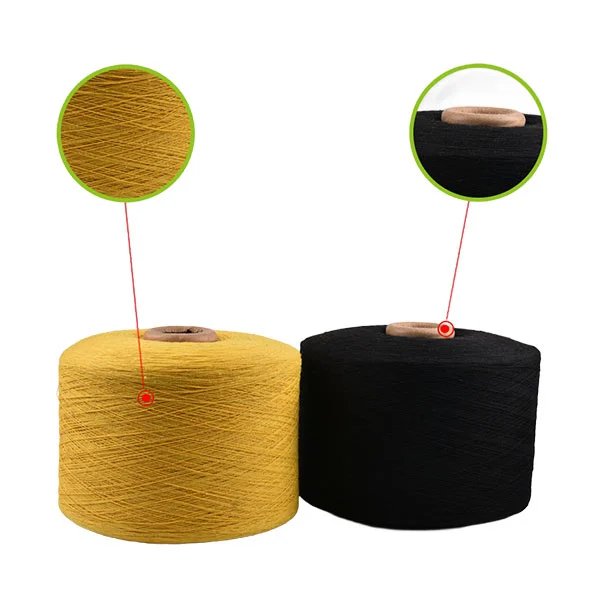
| Versatile Applications | Used in carpets, gloves, mop yarns, and packaging textiles |
These characteristics make regenerated yarn especially valuable for large-volume manufacturing industries.
5. Technical Specifications of Regenerated Yarn
Different regenerated yarn types are produced to meet specific industrial requirements. The following table shows common technical parameters.
| Specification | Description |
|---|---|
| Yarn Count | NE 3 – NE 20 depending on application |
| Ply Structure | Single or multi-ply yarn |
| Fiber Composition | Recycled cotton or cotton blends |
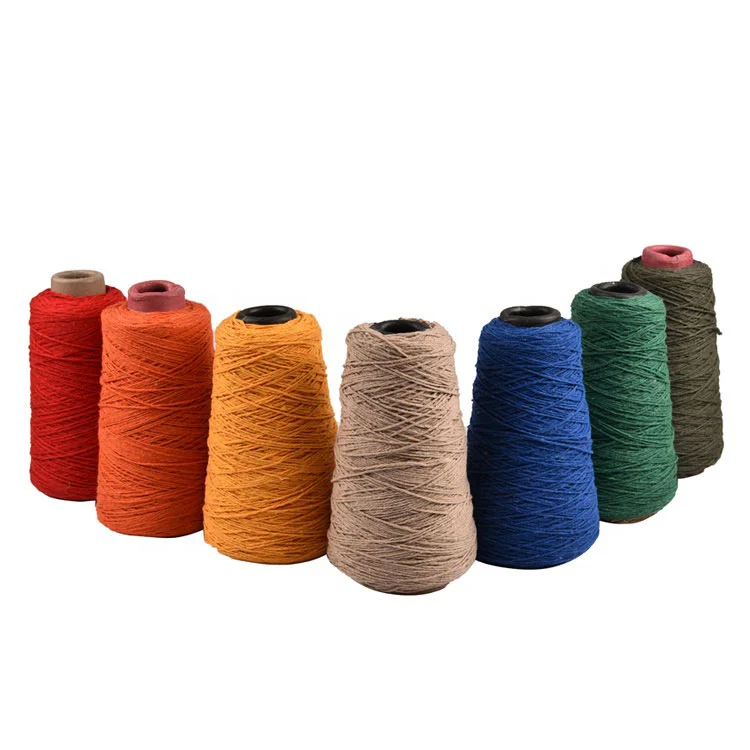
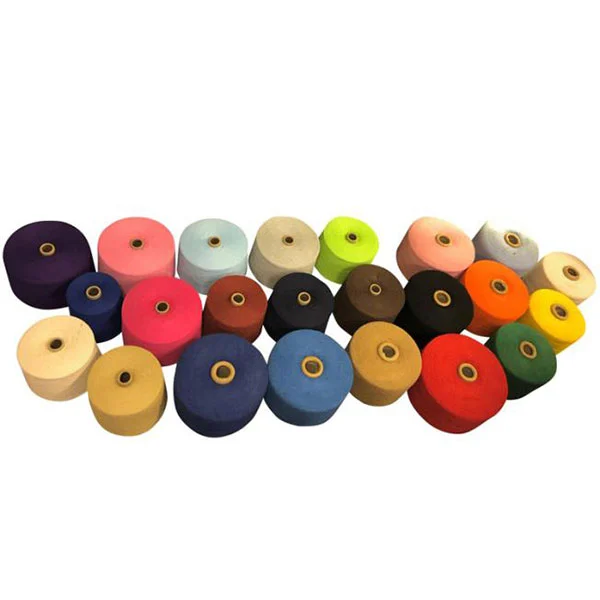
| Color Options | Customizable according to recycled materials |
| Application | Carpets, industrial textiles, gloves, mop yarns |
Manufacturers typically customize yarn count and twist levels based on product performance requirements.
6. What Industries Use Regenerated Yarn?
Regenerated yarn is widely used in several industries due to its versatility and cost advantages.
Common Applications
- Carpet manufacturing
- Industrial cleaning products
- Work gloves
- Automotive insulation materials
- Furniture textiles
- Packaging fabrics
Because regenerated yarn is durable and economical, it is ideal for large-volume industrial products.
7. Why Is Regenerated Yarn Ideal for Carpet Production?
Carpet manufacturing requires yarn with excellent bulk, durability, and abrasion resistance. Regenerated yarn can provide these qualities while significantly reducing production costs.
Advantages for carpet production:
- High yarn thickness and bulk
- Good wear resistance
- Lower material cost
- Eco-friendly product positioning
- Stable supply of recycled raw materials
For these reasons, many carpet manufacturers are increasingly adopting regenerated yarn in their production lines.
8. Regenerated Yarn vs Traditional Yarn
| Factor | Regenerated Yarn | Traditional Yarn |
|---|---|---|
| Raw Materials | Recycled textile fibers | Virgin cotton or synthetic fibers |
| Environmental Impact | Low | Higher resource consumption |
| Cost | Lower | Higher |
| Sustainability | Supports circular economy | Limited recycling |
Although traditional yarn remains widely used, regenerated yarn is becoming increasingly competitive in both cost and environmental performance.
9. How to Choose High-Quality Regenerated Yarn
When purchasing regenerated yarn, buyers should evaluate several factors to ensure consistent quality.
Important Buying Considerations
- Yarn strength and durability
- Consistency of yarn count
- Fiber composition
- Color stability
- Manufacturer reliability
Working with experienced suppliers such as CAI KINGDOM ensures stable quality and reliable delivery for industrial production.
10. The Future of Regenerated Yarn in the Global Textile Market
The demand for sustainable textile materials is increasing rapidly. Governments, brands, and consumers are all encouraging the use of recycled materials in manufacturing.
As technology improves, regenerated yarn is expected to play an even larger role in the textile industry. Future developments may include:
- Higher performance recycled fibers
- Improved spinning technologies
- Expanded applications in fashion and apparel
- Greater adoption by global brands
Companies that adopt regenerated yarn early will gain competitive advantages in sustainability and cost efficiency.
11. Frequently Asked Questions
Is regenerated yarn environmentally friendly?
Yes. Regenerated yarn reduces textile waste and lowers the need for new raw materials, making it a more sustainable option for textile manufacturing.
Is regenerated yarn strong enough for industrial use?
Yes. Modern regenerated yarn production techniques can create yarn with sufficient strength and durability for carpets, gloves, and other industrial products.
What materials are used to make regenerated yarn?
Most regenerated yarn is made from recycled cotton fibers, textile waste, or fabric scraps collected from garment production.
Can regenerated yarn be customized?
Yes. Manufacturers can adjust yarn count, ply structure, and color to meet different industrial requirements.
Why are more manufacturers choosing regenerated yarn?
Because it reduces costs, supports sustainability goals, and helps companies comply with environmental regulations.
Conclusion
Regenerated yarn represents an important shift toward sustainable textile manufacturing. By transforming textile waste into usable fibers, it supports the circular economy while providing durable and cost-effective materials for industrial applications such as carpets, cleaning products, and work textiles.
With growing global demand for eco-friendly materials, regenerated yarn will continue to expand across multiple industries. Reliable suppliers like CAI KINGDOM are helping manufacturers transition to sustainable yarn solutions while maintaining high production standards.
If you are looking for high-quality regenerated yarn for carpet manufacturing or other industrial textile applications, working with an experienced supplier can ensure consistent performance and long-term supply stability.
For more information about regenerated yarn products and customized textile solutions, feel free to contact us today.
Related News
- Why Is Knitting Yarn NE 8 Cotton Polyester Blended a Smart Choice for Modern Textile Production
- What Are the Benefits of a Cotton-Polyester Blend?
- What Is the Best Yarn for Socks Knitting and Why Does It Matter
- How Does Working Glove Yarn Affect Glove Performance and Durability
- Why Is Cotton Hammock Yarn the Best Choice for Durable and Comfortable Hammocks
- Why Is Regenerated Cotton Yarn for Hammock Becoming the Ideal Choice for Eco-Friendly Comfort?
Leave me a message